

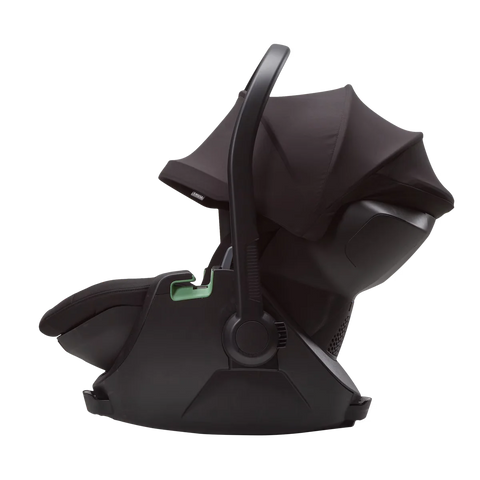
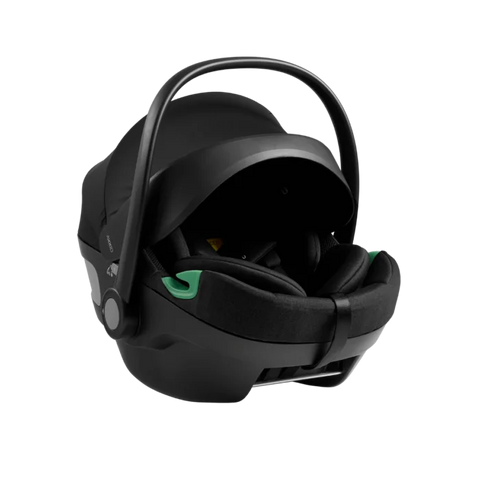
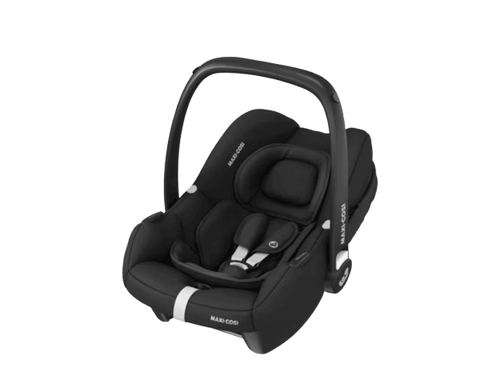
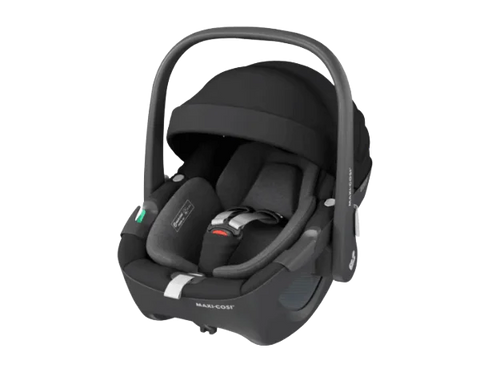
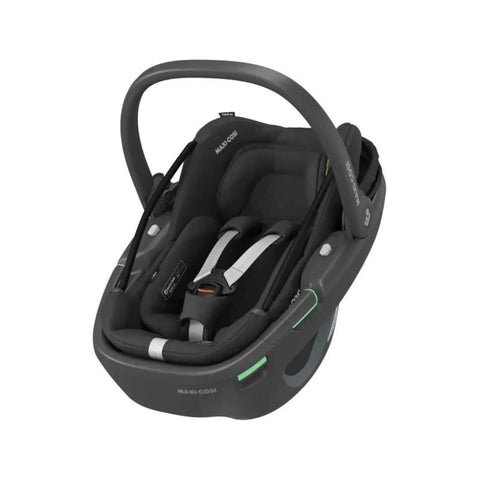
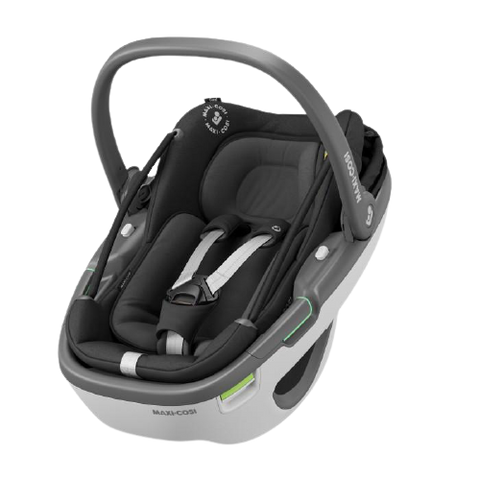
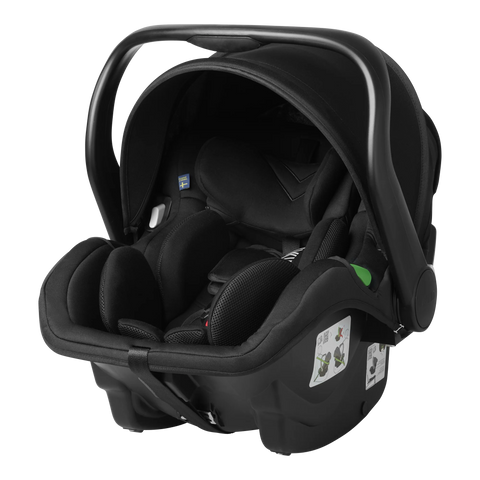
| Infant car seat | Price | Installation | Compatible ISOFIX base | Rotates on ISOFIX base | Reclining | Integrated harness | Compatible with Bugaboo |
|---|---|---|---|---|---|---|---|
|
From 68,00 kr per month
|
ISOFIX base or seat belt |
Yes |
Yes |
3-point harness |
Yes, with adapter | ||
|
From 48,00 kr per month
|
ISOFIX base or seat belt |
No |
No |
5-point harness |
No | ||
|
From 41,00 kr per month
|
ISOFIX base or seat belt |
No |
No |
3-point harness |
Yes, with adapter | ||
|
From 68,00 kr per month
|
ISOFIX base or seat belt |
Yes |
No/Yes |
3-point harness |
Yes, with adapter | ||
|
From 82,00 kr per month
|
ISOFIX base or seat belt |
Yes |
No |
3-point harness |
Yes, with adapter | ||
|
From 89,00 kr per month
|
ISOFIX base or seat belt |
FamilyFix3 |
No |
Yes |
3-point harness |
Yes, with adapter | |
|
From 82,00 kr per month
|
ISOFIX base or seat belt |
No |
No |
3-point harness |
Yes, with adapter |
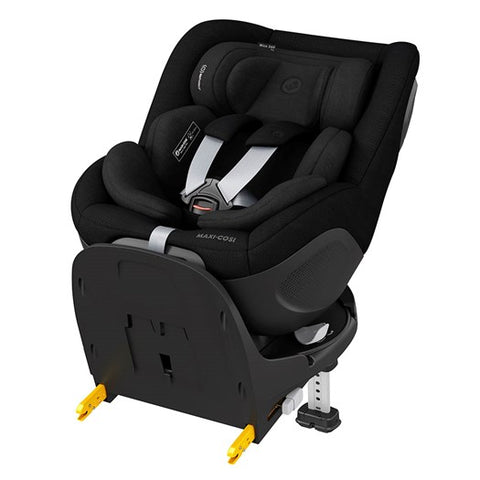
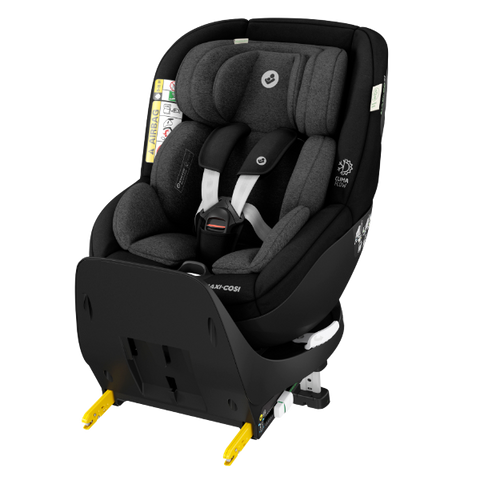
| Car seat | Price | Child height | Direction | Installation | Reclining |
|---|---|---|---|---|---|
|
From 123,00 kr per month
|
61-105 cm |
Rear- and forward-facing |
Only with Maxi Cosi Familyfix 360 |
Yes | |
|
From 123,00 kr per month
|
61-105 cm |
Rear- and forward-facing |
Only with Maxi Cosi Familyfix 360 Pro |
Yes | |
|
From 123,00 kr per month
|
67-105 cm |
Rear- and forward-facing |
Only with Thule Alfi ISOFIX base |
Yes | |
|
From 164,00 kr per month
|
61–125 cm |
Rear-facing |
Only with integrated ISOFIX base |
Yes | |
|
From 96,00 kr per month
|
61-105 cm |
Rear- and forward-facing |
Only with integrated ISOFIX base |
Yes | |
|
From 123,00 kr per month
|
40–105 cm |
Rear- and forward-facing |
Only with integrated ISOFIX base |
Yes | |
|
From 123,00 kr per month
|
40-105 cm |
Rear- and forward-facing |
Only with integrated ISOFIX base |
Yes |
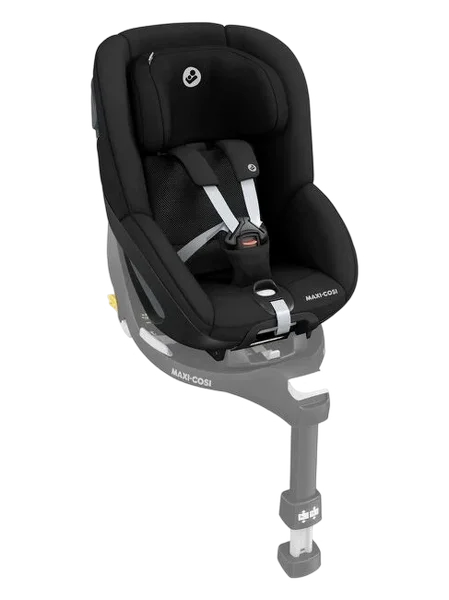
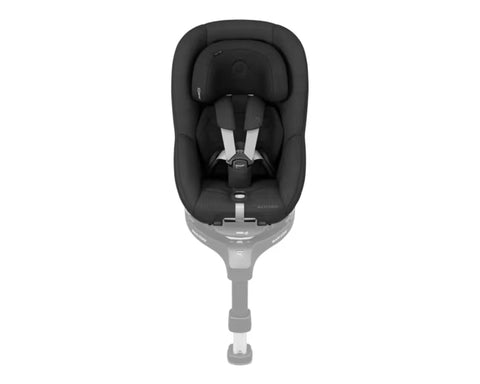
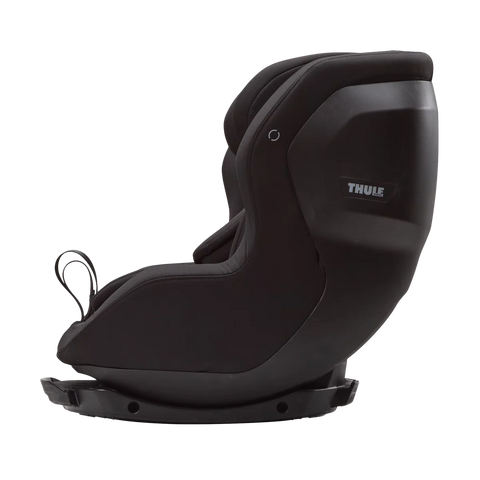
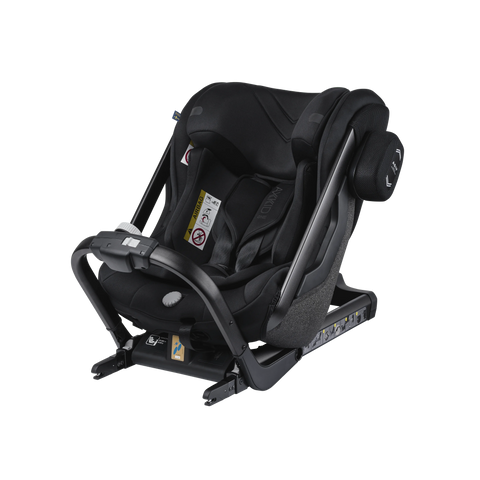
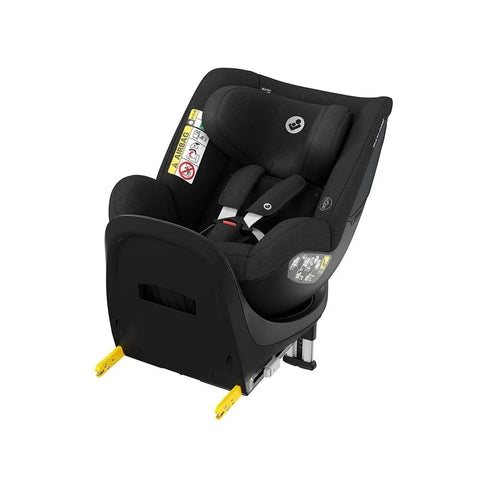
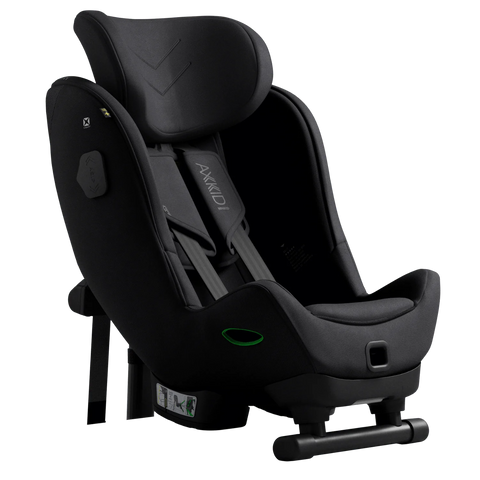
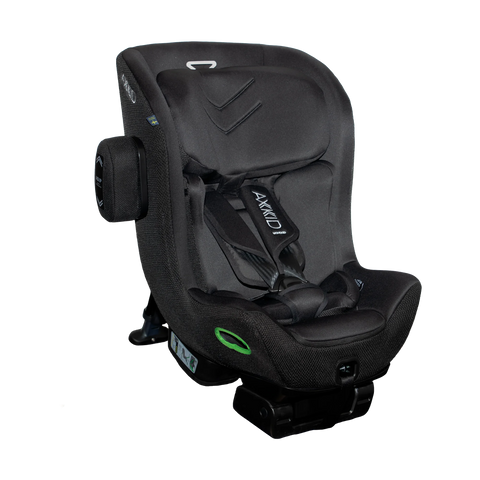
| Car seat | Price | Child height | Direction | Installation | Reclining |
|---|---|---|---|---|---|
|
From 103,00 kr per month
|
61–125 cm |
Rear-facing |
With the car's seat belt |
Yes | |
|
From 123,00 kr per month
|
61–125 cm |
Rear-facing |
With the car's seat belt |
Yes | |
|
From 61,00 kr per month
|
61–125 cm |
Rear-facing |
With the car's seat belt |
Yes |
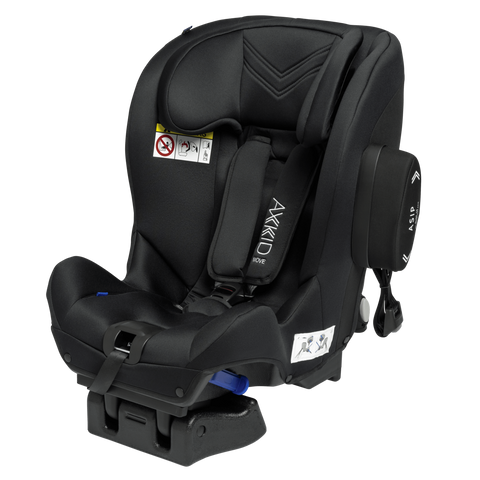
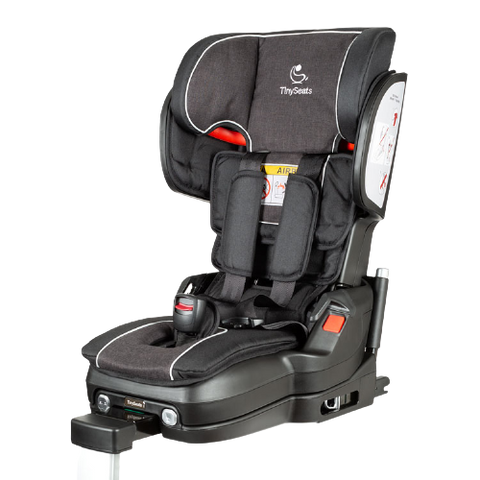
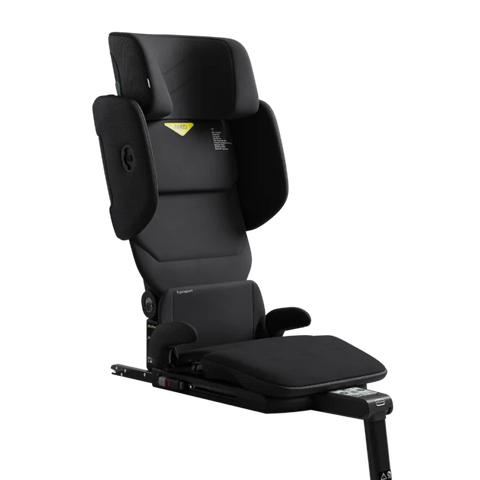
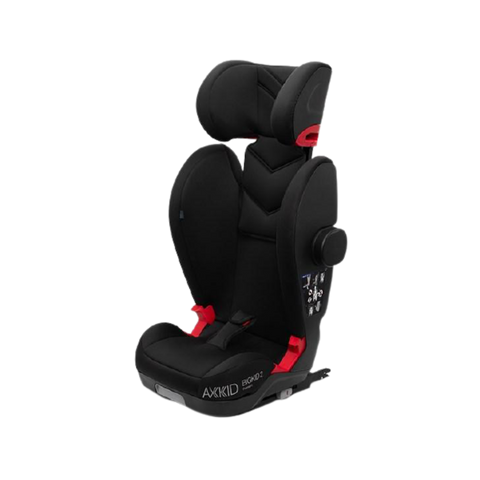
| Booster seat | Price | Child height | Installation | Extra side protection | Adjustable headrest |
|---|---|---|---|---|---|
|
From 75,00 kr per month
|
100–150 cm |
With ISOFIX or the car's seat belt |
Yes |
Yes | |
|
From 68,00 kr per month
|
100–150 cm |
With ISOFIX |
Yes |
Yes | |
|
From 68,00 kr per month
|
100–150 cm |
With ISOFIX |
Yes |
Yes | |
|
From 116,00 kr per month
|
106–135 cm |
With ISOFIX or the car's seat belt |
Yes |
Yes | |
|
From 123,00 kr per month
|
100–150 cm |
With ISOFIX or the car's seat belt |
Yes |
Yes | |
|
From 48,00 kr per month
|
Up to 150 cm |
With ISOFIX or the car's seat belt |
Yes |
Yes |
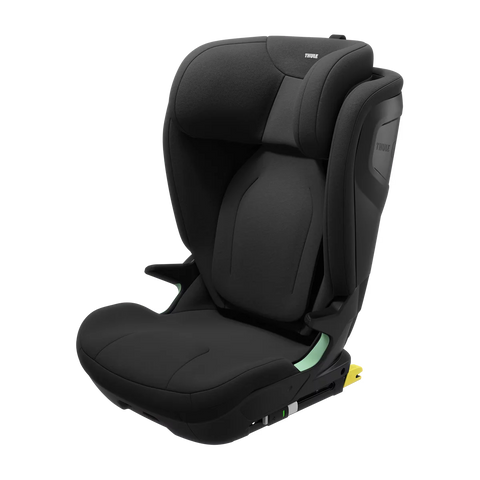
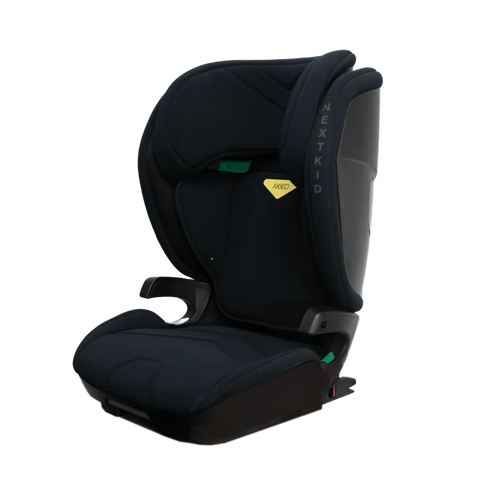
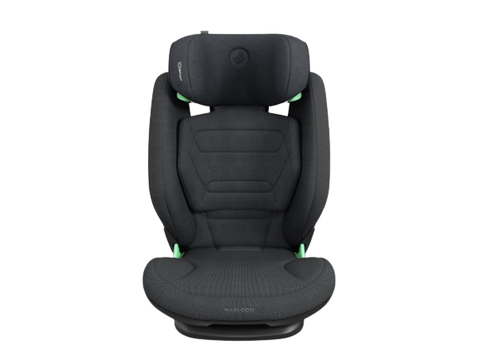
Frequently asked questions
When should I switch from an infant car seat to a car seat?
When should I switch from an infant car seat to a car seat?
You should switch from an infant car seat to a car seat when your child either reaches the upper weight or height limit of the infant car seat (usually around 9–12 months) or when your child's head reaches the edge of the infant car seat. It is important that your child still sits rear-facing in the car seat, as this is the safest way for young children to travel.
What does Swedish law say about where to place the car seat in the car?
What does Swedish law say about where to place the car seat in the car?
In general, the middle of the back seat is considered the safest place for a car seat, as the distance to the sides of the car, and therefore to potential points of impact, is greatest there. However, it is not always possible to install the seat there, for example because of the size of the seat or a lack of seat belt or ISOFIX anchors.
It is therefore difficult to give a general answer as to where a rear-facing car seat should be placed, as this can vary between car models. According to the Swedish National Society for Road Safety (NTF), the front seat and the back seat are equally safe options in terms of crash safety (read more on the NTF website here).
Please note, however, that some rear-facing car seats are not approved for installation in the back seat. If the car seat is installed in the front passenger seat, any airbag in front of the seat must be deactivated.
How long should my child sit rear-facing before we switch to a forward-facing car seat?
How long should my child sit rear-facing before we switch to a forward-facing car seat?
Paediatricians and safety experts recommend that children sit rear-facing for as long as possible, ideally up to the age of 6–7. Rear-facing car seats offer the best protection in a collision, as they distribute the force across the child's body and protect the head, neck and spine. This is especially important for younger children, whose heads are proportionally larger and heavier than the rest of their body.
When is it time to switch from a car seat to a booster seat?
When is it time to switch from a car seat to a booster seat?
You should switch from a car seat to a booster seat when your child has outgrown the car seat or has reached its upper height or weight limit.
When you switch to a booster seat, it is important that your child's knees can bend comfortably at the edge of the seat. Your child must also be big enough for the car's seat belt to sit correctly across their body in the booster seat.
How do I make sure the seat belt sits correctly across my child's body?
How do I make sure the seat belt sits correctly across my child's body?
The seat belt should sit over your child's hip bones, not the stomach, and the diagonal belt should run across your child's shoulder and chest, not over the neck. If the belt is not positioned correctly, your child risks being injured in a collision. Check that the belt is tight and not twisted.
Should the booster seat have a backrest, or is a booster cushion enough?
Should the booster seat have a backrest, or is a booster cushion enough?
Booster seats with a backrest are recommended, as they give extra support to your child's head, neck and back and better protection in side impacts.
What is the correct position for the car seat's headrest?
What is the correct position for the car seat's headrest?
The car seat's headrest should be adjusted so that it sits just above your child's shoulders, with enough room to support the head properly in a collision. If the headrest is too high or too low, your child won't get optimal protection for the head and neck.
